



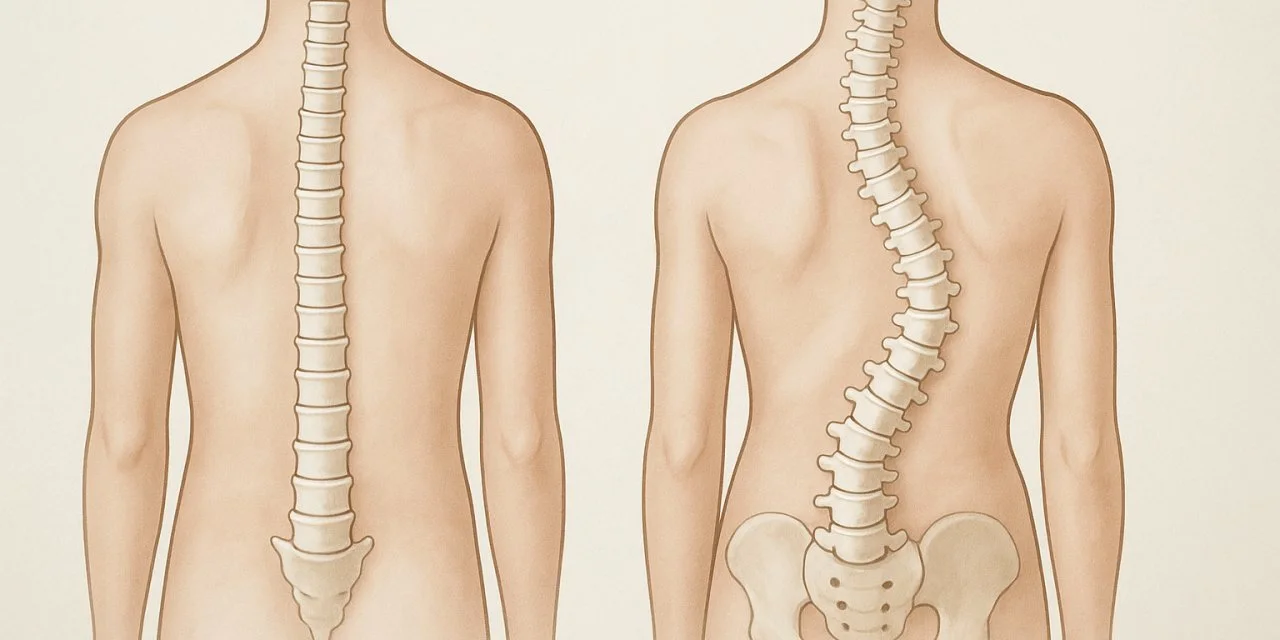
Anatomical deviations such as bone curvatures, crooked leg problems, rotational defects and short limbs seen in children are important skeletal disorders that can lead to permanent joint damage in later ages by disrupting body biomechanics if not intervened in the early period and are treated within the scope of deformity surgery. In modern pediatric orthopedics, self-correction of the bone is achieved with the guided growth technique for growing children without the need for large surgical incisions, while in more advanced and complex cases, perfect alignment can be achieved with computer-aided smart fixators and osteotomy surgeries. Prof. Dr. Cengiz Çabukoğlu enables children to step into the future with more balanced, healthy and painless steps with modern surgical approaches and deformity correction methods that he plans specifically for each child's growth potential.
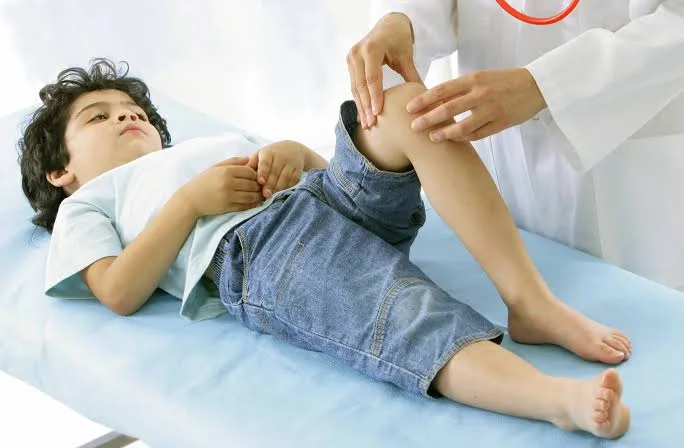
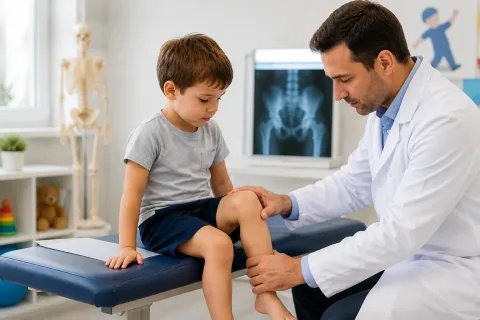
The development of the skeletal system in childhood proceeds as a dynamic process with the active participation of growth cartilages. However, due to genetic factors, metabolic diseases, previous traumas or congenital anomalies, the normal alignment of bones and joints may be disrupted and structural curvatures may occur. These anatomical deviations, which are generally seen in the lower and upper extremities (arms and legs), are evaluated within the scope of deformity surgery, one of the main areas of expertise in pediatric orthopedics. Rotations, curvatures and length differences in the bone structure in children not only create an aesthetic problem; It also disrupts the body's load-bearing biomechanics, causing premature joint wear, severe pain and permanent movement limitations in later ages. The most common bone deformities in children include the situation where the knees are very close to each other (X leg / genu valgum) or the legs curve outwards in the form of brackets (O leg / genu varum), popularly known as crooked legs. In addition, the complaint of inward walking is also very common in children due to the shinbone turning inward or outward (tibial torsion). These pressure and posture disorders, which can be considered developmentally normal until a certain age, should be closely monitored with detailed clinical examination and computerized orthopedic radiographs by a pediatric orthopedic specialist. If the curvatures exceed the physiological limits appropriate to the child's age and progress instead of correcting with the growth process, the correct treatment intervention should be planned without delay in order to prevent permanent skeletal damage. With developing technology, modern pediatric orthopedics offers minimally invasive (small incision) methods that turn children's growth potential into an advantage in correcting bone curvatures. One of the leading methods of these methods is directed


 Çerez Tercihleri