



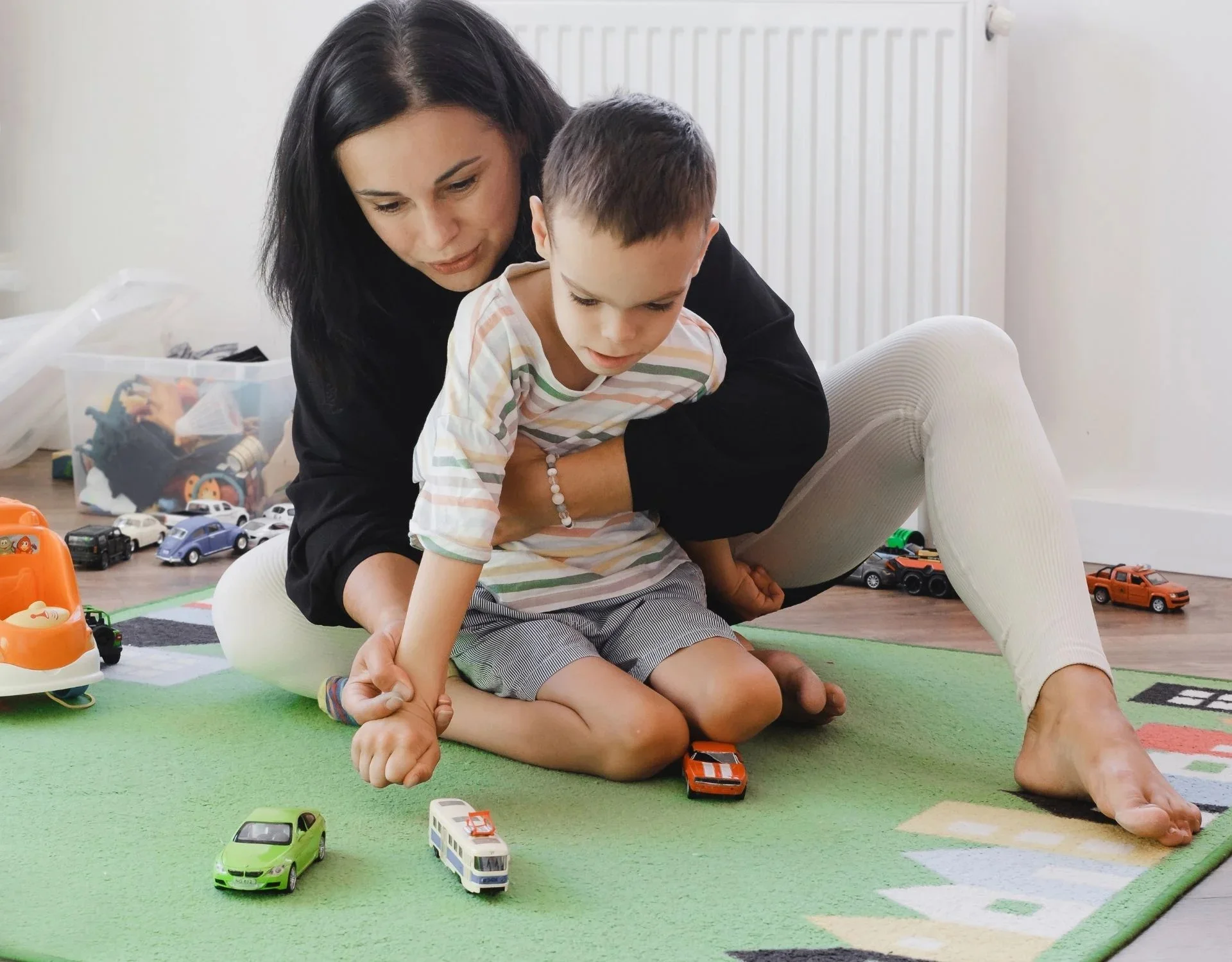
Cerebral Palsy
Category Pediatric Orthopedics
Cerebral palsy (CP) is characterized by movement and posture disorders caused by brain damage occurring during infancy or early childhood.
What is the problem?
Cerebral Palsy (CP) is a group of permanent movement and posture disorders caused by damage to the developing brain (typically before, during, or shortly after birth). This condition is non-progressive, meaning the brain damage itself does not worsen over time; however, its effects on muscles, joints, and bones may become more evident as the child grows. Pediatric orthopedics works to minimize these physical impairments.
What are the symptoms?
Symptoms of cerebral palsy can vary in severity and form in every child. The most common symptoms include:
Excessive muscle stiffness (spasticity) or excessive weakness/floppiness (hypotonia)
Motor development delay (delayed head control, late sitting, late crawling, or inability to walk)
Toe walking, scissoring gait, or unsteady walking patterns
A tendency to predominantly use only one side of the body (one arm or leg)
Difficulty with fine motor skills (holding or grasping objects)
What causes it?
Cerebral Palsy is caused by damage to an immature, developing brain. The primary causes include:
Infections experienced by the mother during pregnancy or genetic factors affecting the baby's brain development
Deprivation of oxygen to the baby during delivery (asphyxia)
Premature birth and low birth weight
Severe meningitis infections or head trauma suffered during early childhood after birth
How is it diagnosed?
The diagnosis of Cerebral Palsy requires a multidisciplinary approach. A detailed clinical examination performed by a pediatric orthopedist and a pediatric neurologist is the most crucial step. The infant's motor development stages, muscle tone, and reflexes are carefully evaluated. Neuroimaging tests such as Magnetic Resonance Imaging (MRI) are utilized to precisely determine the location and extent of the brain damage.
Treatment methods
The primary goal of Cerebral Palsy treatment is to maximize the child's independent mobility. While there is no single miracle cure that provides complete recovery, a multifaceted treatment plan is implemented:
Physical Therapy and Rehabilitation: The most critical step for increasing muscle strength and maintaining joint range of motion.
Orthoses and Assistive Devices: AFOs, braces, and casts are utilized to support walking and prevent deformities.
Medical Treatments: Botox injections or pharmacological therapies are administered to reduce muscle stiffness (spasticity).
Is surgery required?
Yes, although not required for every child, surgical intervention may be necessary when muscle stiffness alters the bone and joint structure. Surgeries performed by pediatric orthopedic specialists include procedures such as the prevention or treatment of hip dislocations, tendon lengthening, muscle release, and the correction of bone deformities (osteotomy). Surgery is typically planned to enhance the child's walking potential or to facilitate their daily care.
Recovery process
The post-surgical recovery process varies depending on the type of operation performed. Bone surgeries are typically followed by a few weeks in a cast or protective orthosis. The most critical period following surgery is the intensive physical therapy program that begins as soon as the tissues heal. To ensure long-term surgical success and help the child adapt to their new pattern of movement, regular rehabilitation must continue for several months.
Frequently asked questions
Each child's ability to walk depends on the degree and type of brain damage and early initiation of treatment. Many children with mild to moderate spasticity can walk independently or with assistive devices, thanks to proper physical therapy, equipment, and orthopedic surgery when necessary.
No, Cerebral Palsy is not a progressive brain disease; damage to the brain remains constant. However, as the child grows, muscle stiffness (spasticity) can lead to joint limitations, bone curvatures and hip dislocation if left untreated. For this reason, orthopedic follow-up should be done regularly.
Botox injection is used to temporarily (usually 4-6 months) reduce excessive stiffness (spasticity) in certain muscles. In this process, the muscle relaxes, the child's participation in physical therapy becomes easier, joint range of motion increases, and the duration of possible surgical interventions can be delayed.
Video
Appointment and information for Cerebral Palsy
Contact us with your questions about the treatment process; we will arrange the most suitable appointment together.
 Çerez Tercihleri