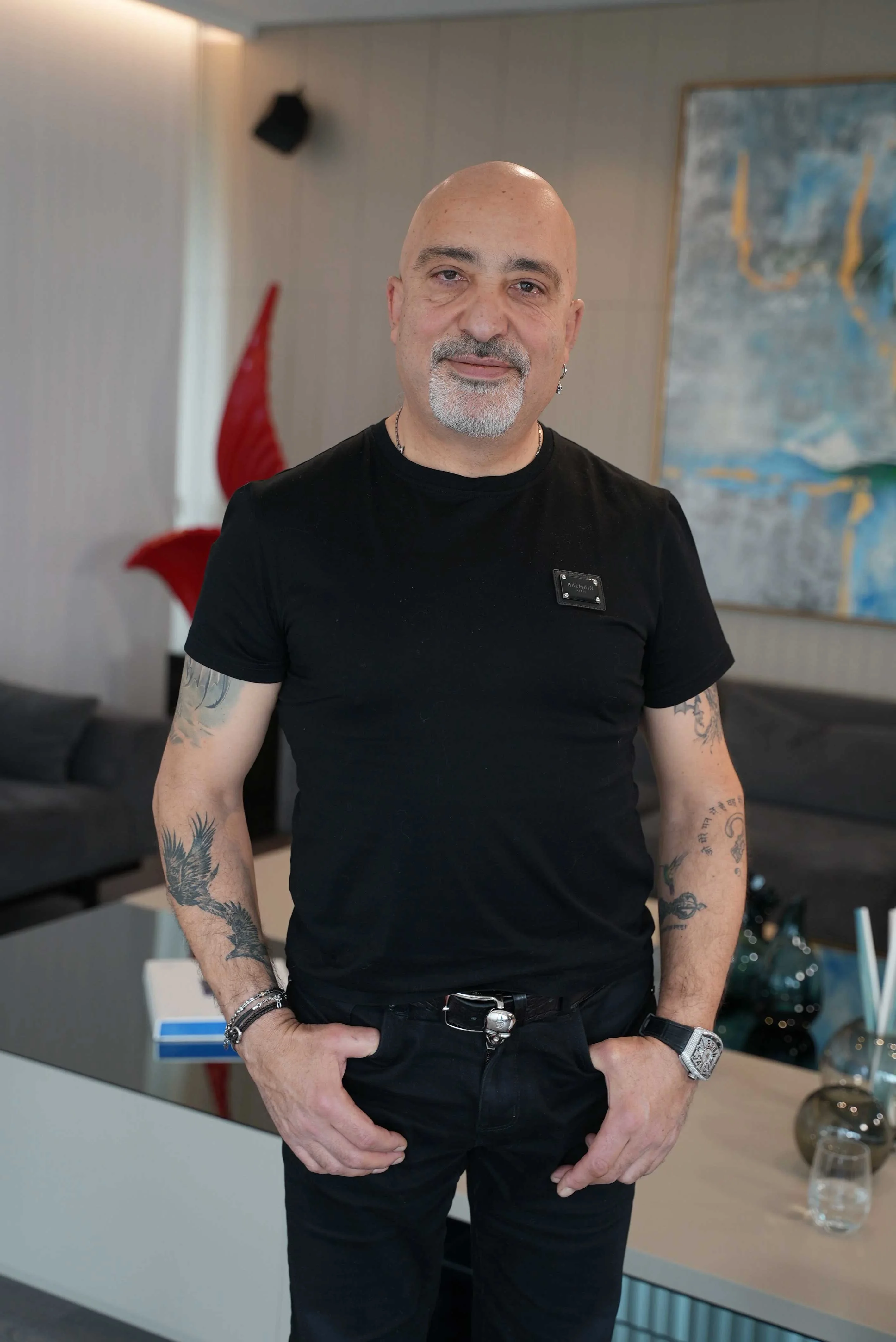

Dr. Cengiz Çabukoğlu

about me

Dr. Cengiz Çabukoğlu Orthopedics and Traumatology Specialist

With over 25 years of experience, he works on the treatment of orthopedic problems (deformity, congenital anomaly, cerebral palsy, joint diseases, etc.).

  • Cerebral Palsy

    Cerebral palsy (CP) occurs with movement and posture disorders that develop as a result of brain damage in infancy or early childhood.

  • Congenital Anomalies

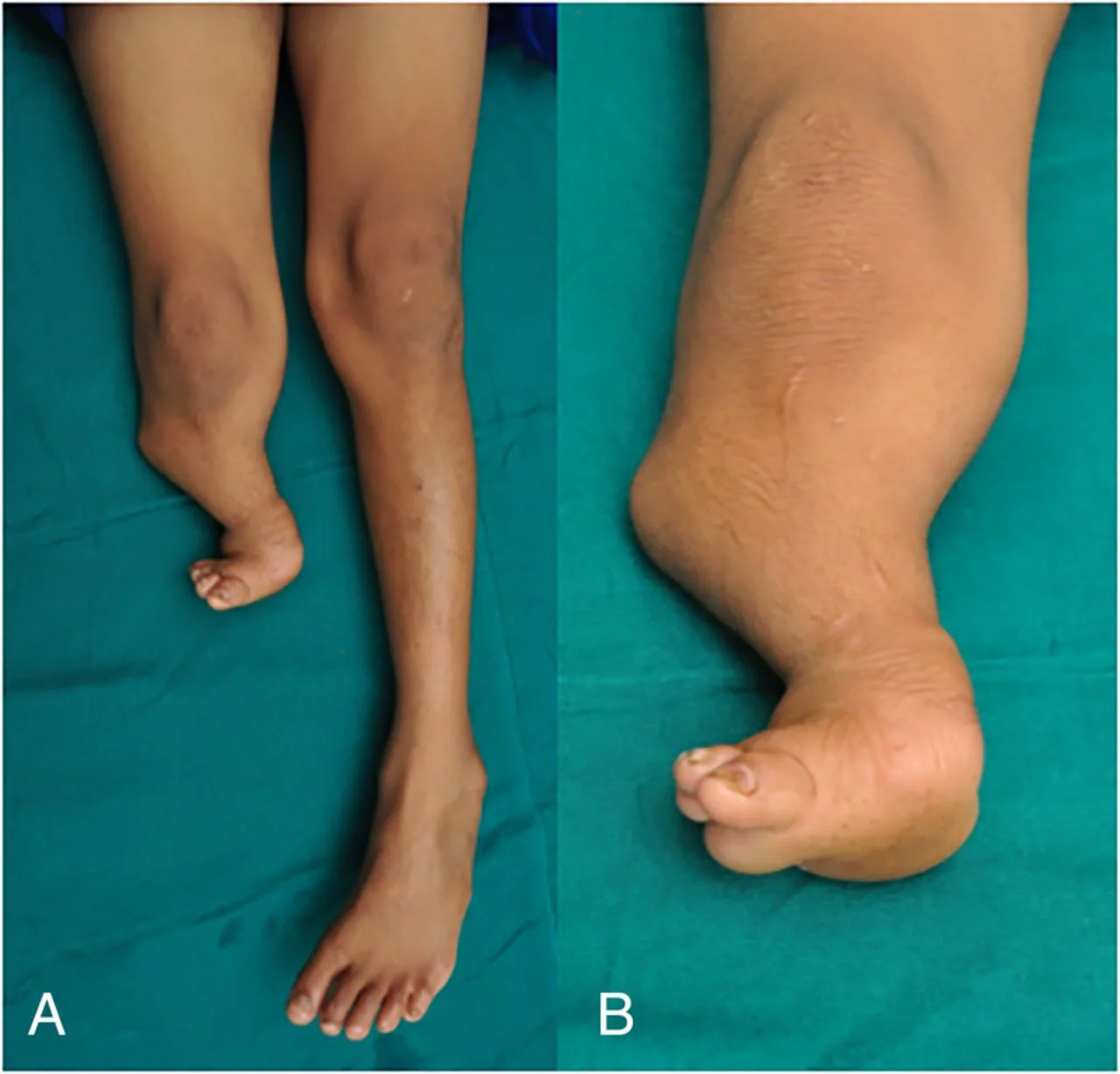
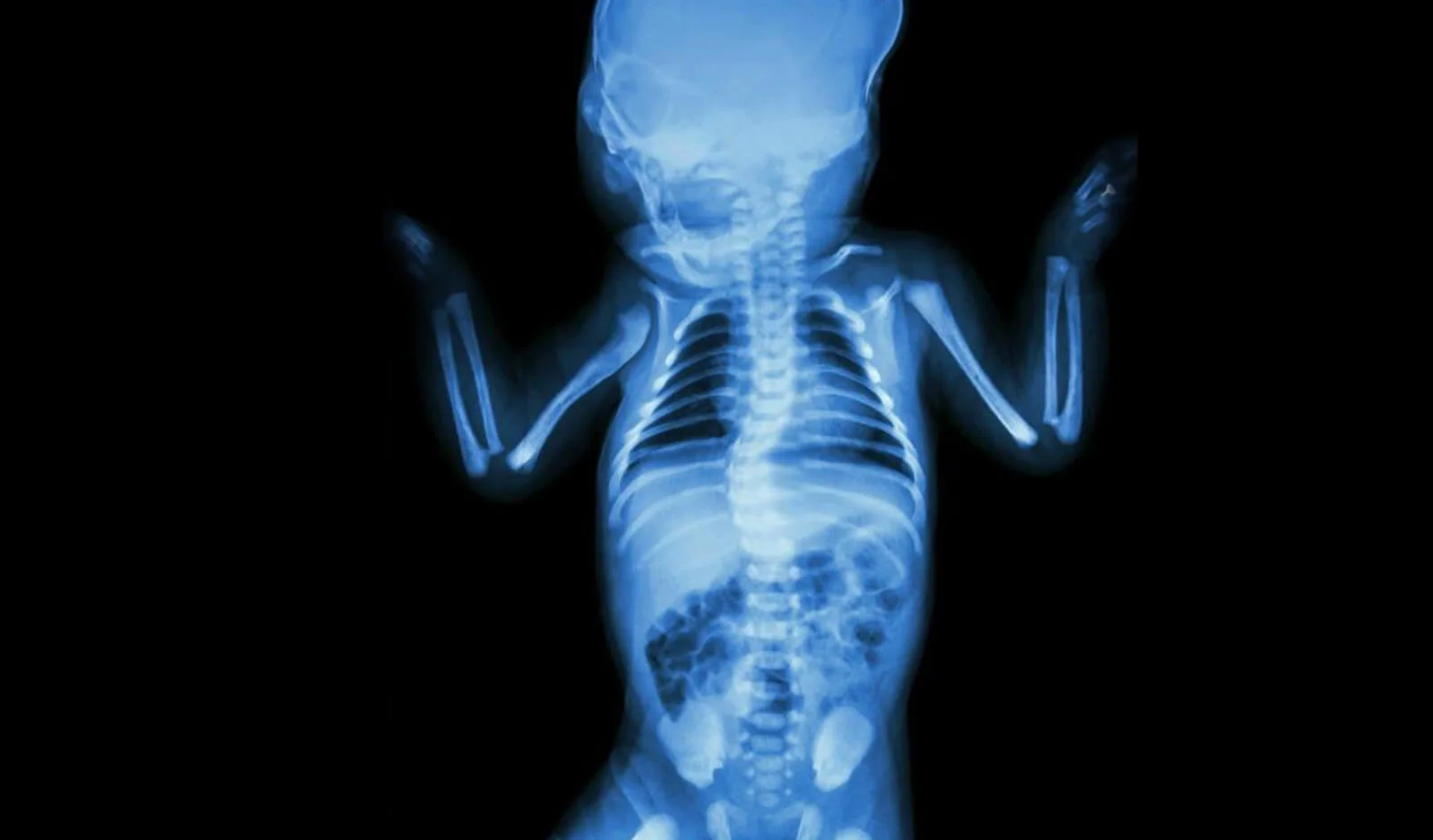
    These are disorders in the skeletal and muscular systems of the body such as hands, arms, legs and spine, which begin in the womb and appear at birth.

  • Deformities

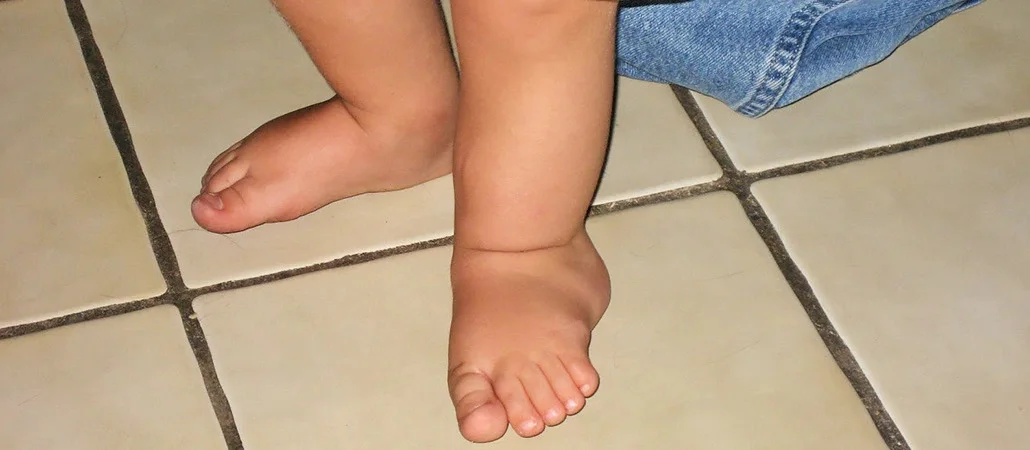
    These are posture, movement and structural disorders related to the bones, joints or muscles in our body.

Countries of work — select a country to view it on the map

Map of Countries Worked in

see all

Before & After

See All Cases

We continue to improve the quality of life of our patients with orthopedic surgery practices.

Before
Before — Cerebral Palsy Treatment
Ameliyat öncesi
After
After — Cerebral Palsy Treatment
Ameliyat sonrası
Before
Before — Knee Replacement Surgery
Ameliyat öncesi
After
After — Knee Replacement Surgery
Ameliyat sonrası
Before
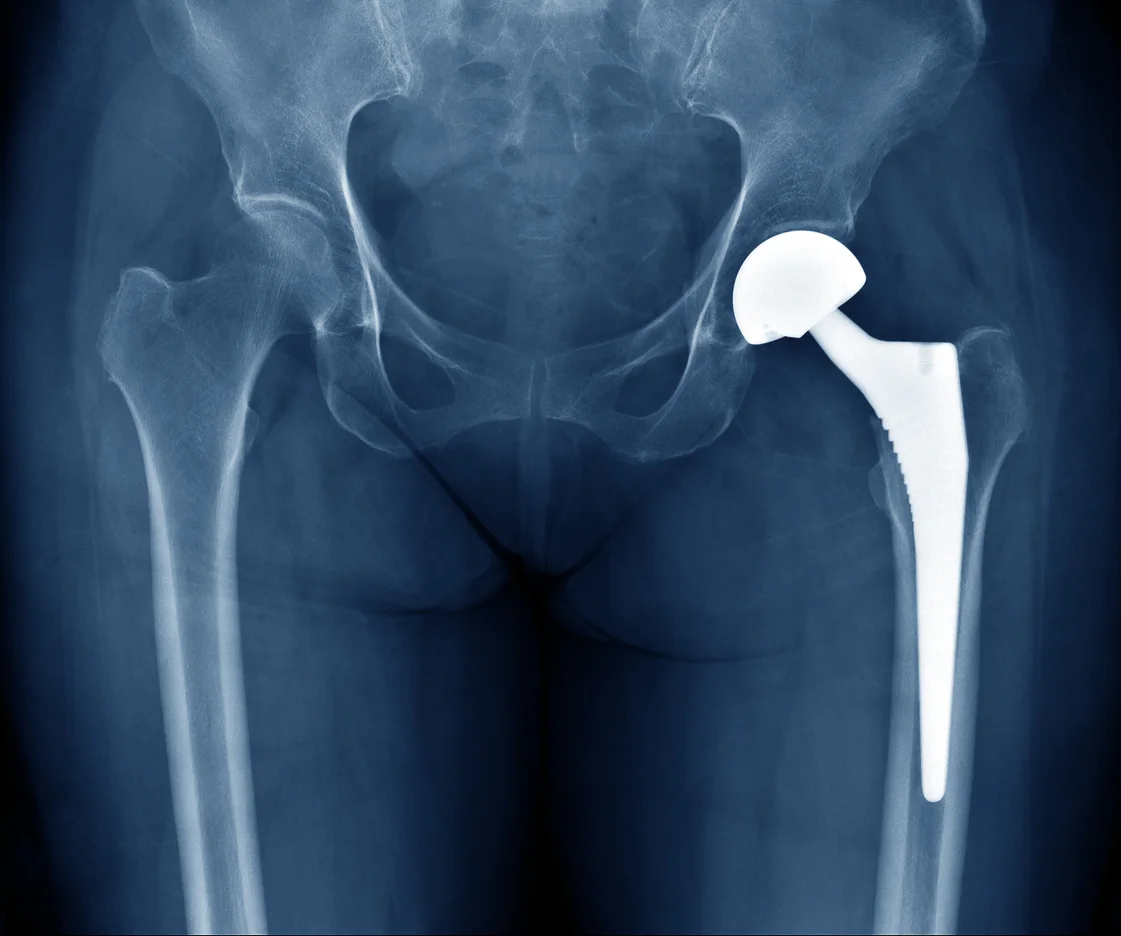
Before — Hip Replacement Surgery
Ameliyat öncesi
After
After — Hip Replacement Surgery
Ameliyat sonrası

Current Articles

See All Posts

Discover current developments and informative content in the field of orthopedics and traumatology.

Orthopedic Deformities in Children: Leg Deformities, Limb Alignment and Treatment Options

Orthopedic Deformities in Children: Leg Deformities, Limb Alignment and Treatment Options

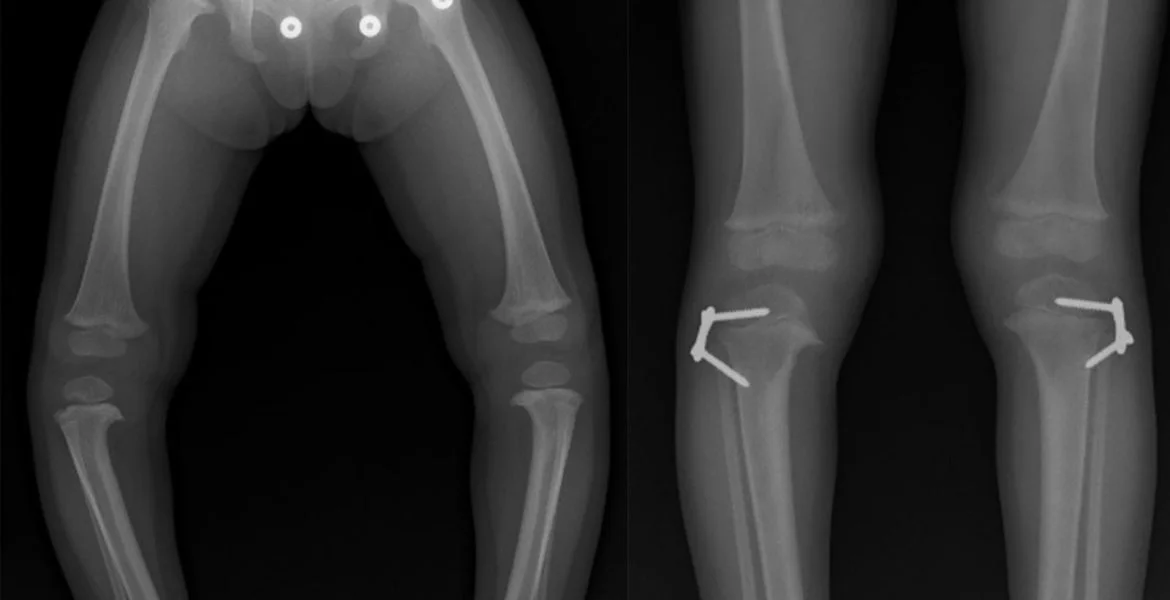
Orthopedic deformities in children may involve abnormal alignment or development of bones, joints and extremities. Leg deformities, angular abnormalities, foot and ankle deformities, limb length discrepancies and congenital limb differences are evaluated within pediatric orthopedics. Treatment is individualized according to the child's age, cause and severity of the deformity, remaining growth potential and functional needs.

Developmental Dysplasia of the Hip (DDH) in Children: Symptoms, Diagnosis and Treatment

Developmental Dysplasia of the Hip (DDH) in Children: Symptoms, Diagnosis and Treatment

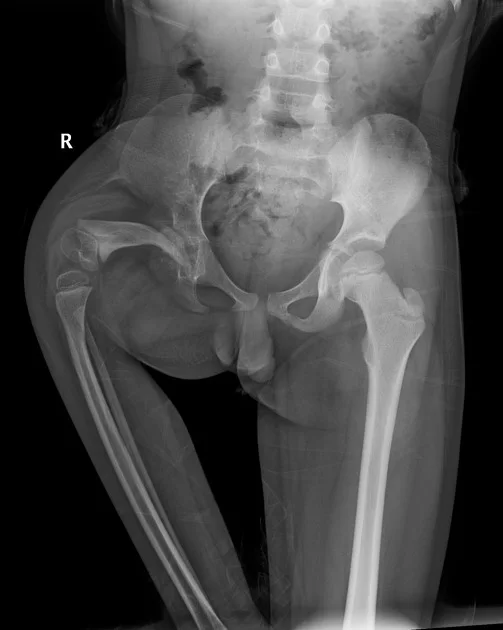
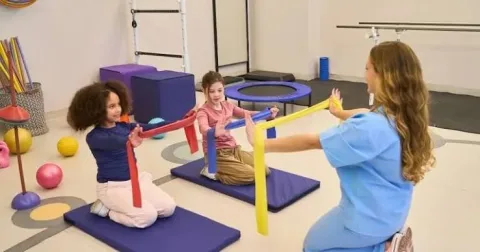
Developmental dysplasia of the hip (DDH) is a pediatric orthopedic condition in which the hip joint does not develop normally. The condition can range from mild acetabular dysplasia to partial or complete hip dislocation. Early diagnosis of developmental hip dysplasia in babies and children can play an important role in treatment planning. Treatment may include observation, bracing or surgical procedures depending on the child's age and severity of the condition.

Orthopedic Treatment for Cerebral Palsy: Movement Problems, Deformities and Surgical Options in Children

Orthopedic Treatment for Cerebral Palsy: Movement Problems, Deformities and Surgical Options in Children

Cerebral palsy can affect movement, posture, muscle control and walking ability in children. As children with cerebral palsy grow, orthopedic problems such as muscle contractures, hip displacement, foot and ankle deformities, gait abnormalities and scoliosis may develop. Orthopedic treatment for cerebral palsy is individualized according to the child's age, functional abilities, musculoskeletal findings and growth potential.

Pediatric Orthopedics: Diagnosis and Treatment of Congenital and Developmental Orthopedic Conditions in Children

Pediatric Orthopedics: Diagnosis and Treatment of Congenital and Developmental Orthopedic Conditions in Children

Pediatric orthopedics focuses on the diagnosis and treatment of bone, joint, muscle and musculoskeletal conditions affecting infants, children and adolescents. Cerebral palsy, developmental dysplasia of the hip, pediatric hip dislocation, limb deformities, tibial hemimelia, fibular hemimelia, proximal femoral focal deficiency (PFFD) and other congenital orthopedic abnormalities are among the conditions evaluated within pediatric orthopedics.

TREATMENT PROCESS

Your Treatment Journey

Our process is designed according to the needs of each patient in pediatric and adult orthopedics; It proceeds in a transparent and planned manner, from the first examination to the post-operative control. We are at your service with the same care in cerebral palsy, hip dislocation, joint prosthesis and deformity surgery.

01

Initial Inspection and Evaluation

Diagnosis is made through detailed physical examination, movement analysis and necessary imaging (x-ray, MRI, ultrasound); Your complaints and expectations are listened to.

02

Creating a Treatment Plan

Depending on the findings, surgical or conservative options (medication, injection, physical therapy) are planned specifically for you; The process, possible risks and expected results are clearly shared.

03

Surgery and Rehabilitation

When necessary, intervention is made with modern surgical techniques; Your recovery is closely monitored with post-operative physical therapy, mobilization and regular check-ups.

Ortopedi röntgen görüntüleme ve kemik-iskelet sistemi değerlendirmesi
Hasta Yorumları
10K+

Experiences of our happy patients

PATIENT COMMENTS

What Do Our Patients Say?

Dr. for my son's cerebral palsy treatment. We came to Çabukoğlu. He started to walk after the surgery. The team is very caring and professional. Thanks!

Ayşe Y.

Istanbul, Türkiye

We came from Germany. Our daughter's hip dislocation surgery was very successful. Dr. Çabukoğlu and his team were with us at every stage. We are very pleased.

Müller Familie

Berlin, Germany

My knee replacement surgery was very successful. Now I can walk without pain. Dr. Cengiz Bey's experience and interest are truly admirable. I recommend it to everyone.

Mehmet K.

Ankara, Türkiye

Ayşe Y.

Ayşe Y.

Istanbul — Cerebral palsy treatment

Müller Familie

Müller Familie

Berlin — Hip dislocation surgery

Mehmet K.

Mehmet K.

Ankara — Knee replacement surgery

Orthopedics Guide

Video Blogs

FAQ

Frequently Asked Questions

You can get information about surgery, recovery, physical therapy, sports injuries and prosthetic surgeries by clicking on the headings below.

In children, the appearance of bracketed legs (O legs) until the age of 2, and the appearance of X legs where the knees hit each other at the ages of 3-4, is mostly a natural part of growth and disappears on its own. However, if the curvature is present in only one leg, if it increases instead of decreasing as the child grows, and if it frequently falls while walking, this may be a sign of bone development disorder (deformity), not physiological. In cases of asymmetrical and significant curvatures, an examination by a pediatric orthopedist is required without delay.

The ideal hip ultrasound (GKY scan) time for your baby is between the 4th and 6th weeks after birth. In hip deficiencies diagnosed early within the first 6 months, over 95% full recovery is achieved without surgery, thanks to the Pavlik bandage or special orthoses that keep the legs in the correct position. However, if the diagnosis is made after the 6th month, casting or surgery is on the agenda.

The ability of a child with Cerebral Palsy to walk depends on the degree of damage to the brain and the correct treatment. Many children with mild to moderate spasticity can walk independently or with assistive devices, thanks to proper physical therapy and pediatric orthopedic surgery when necessary. These surgeries do not completely eliminate the damage (disease) in the brain, but they increase the child's mobility by preventing muscle stiffness from damaging the bone and joint structure.

Yes, thanks to today's modern pediatric orthopedic methods, limb salvage and functional walking can be achieved in the majority of these children. Depending on the condition of bone deficiency, leg lengthening surgeries and joint correction operations are performed with computer-aided fixators. In very severe and unextendable cases, limb-sparing surgeries (amputation) and modern prosthetic applications are performed before the child reaches walking age, allowing the child to run and play like his peers.

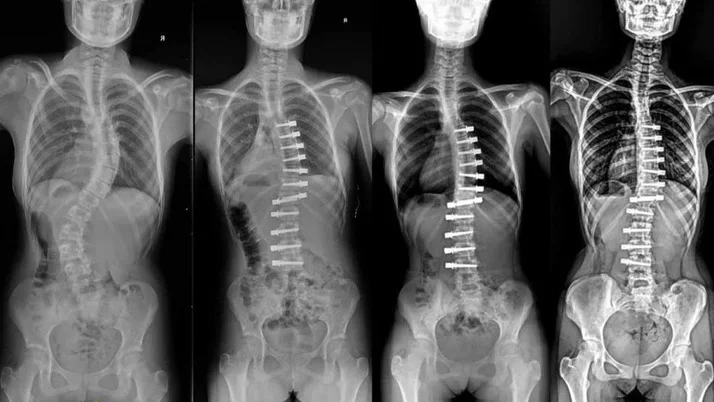
Swimming and general back exercises strengthen muscles and support posture, but they alone do not completely correct the structural spinal curvature (Cobb angle). If your child's growth process continues and the spinal curvature is between 20 and 40 degrees, it is mandatory to apply corset treatment under the supervision of a pediatric orthopedist to stop the progression of the curvature and protect the child from surgery.

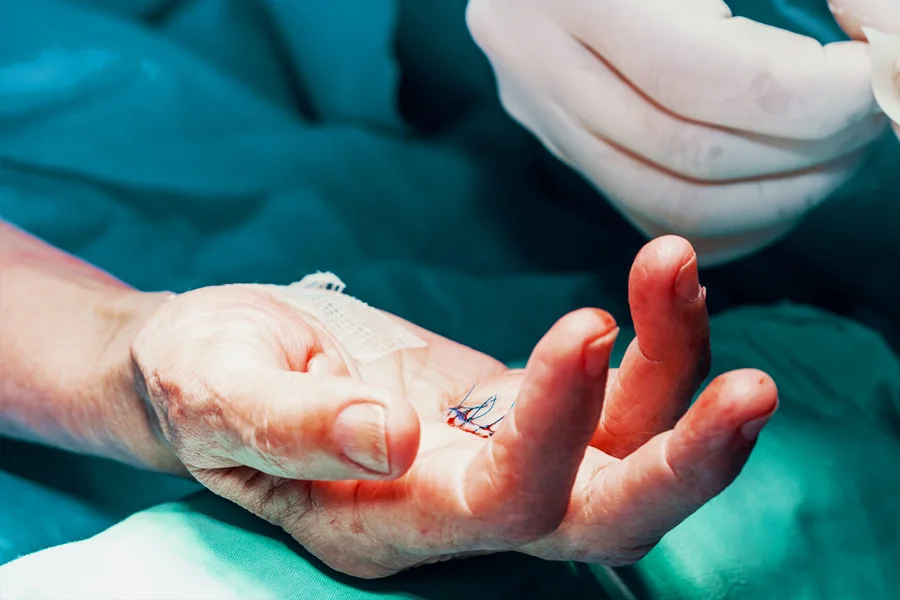
For carpal tunnel and trigger finger disorders, we first try non-surgical methods such as medication, resting splints or injections. However, if you have severe pain that does not go away despite these treatments, permanent numbness in your fingers, locking, and especially wasting (loss of strength) in the hand muscles, it is necessary to undergo hand surgery to prevent permanent damage to the nerves and tendons.

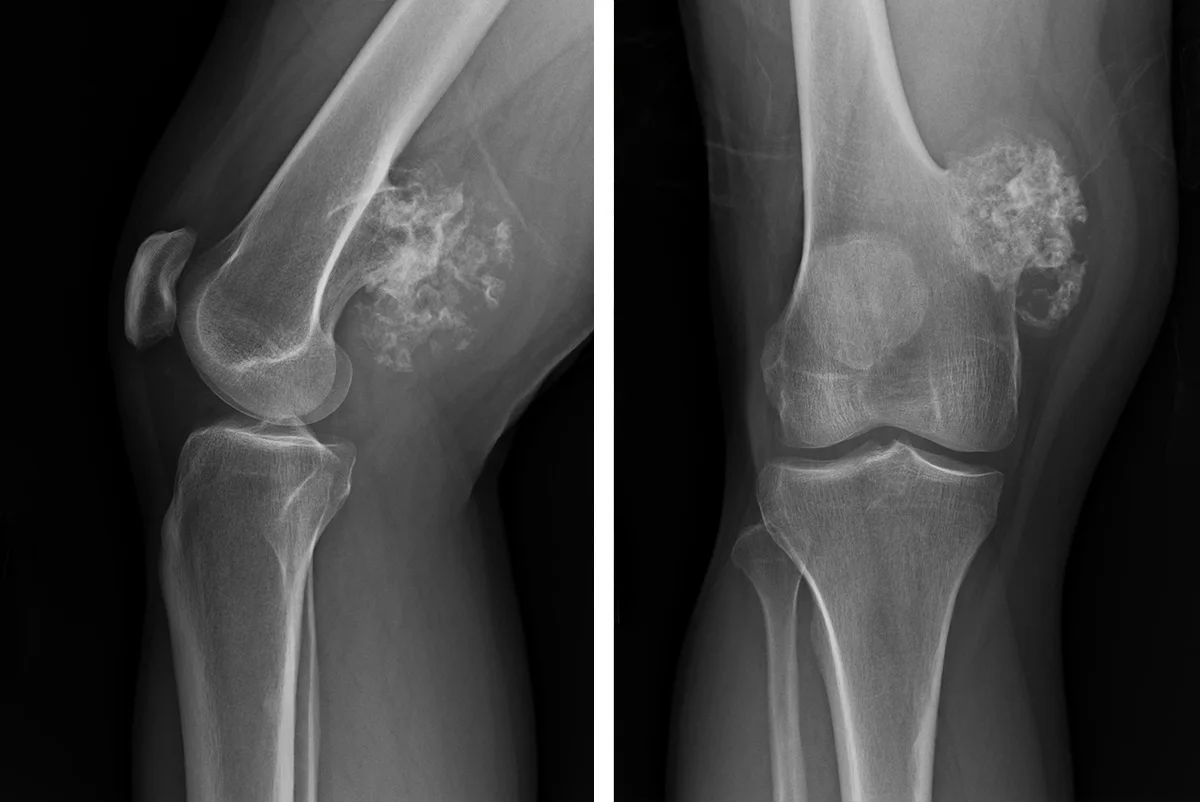
In today's modern orthopedic oncology surgery, more than 90-95% of malignant bone and soft tissue tumors are treated without amputating the leg or arm. Thanks to Limb Preserving Surgery techniques, advanced chemotherapy drugs and high-tech tumor prostheses, tumorous bone tissue is safely removed, the limb is completely protected and the patient's mobility is maintained.