



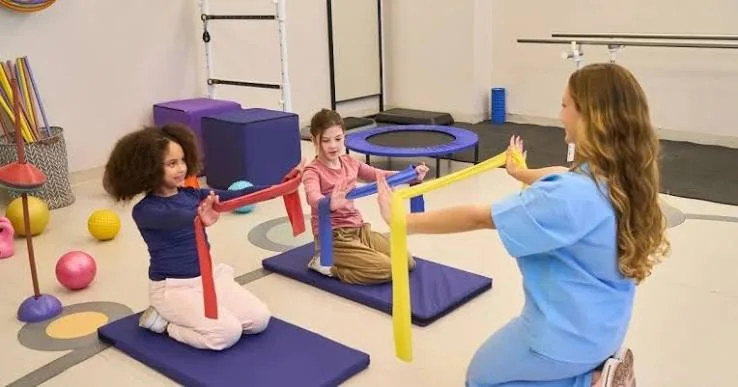
Cerebral palsy can affect movement, posture, muscle control and walking ability in children. As children with cerebral palsy grow, orthopedic problems such as muscle contractures, hip displacement, foot and ankle deformities, gait abnormalities and scoliosis may develop. Orthopedic treatment for cerebral palsy is individualized according to the child's age, functional abilities, musculoskeletal findings and growth potential.
What is cerebral palsy and how does it affect the musculoskeletal system?
Cerebral palsy (CP) is a neurological condition that affects movement and posture due to disturbances occurring in the developing brain. The severity and characteristics of cerebral palsy vary considerably between children. While some children can walk independently, others may experience significant limitations in mobility. Muscle imbalance and abnormal muscle tone can also contribute to orthopedic deformities, making pediatric orthopedic assessment an important component of cerebral palsy management.
Common orthopedic problems in children with cerebral palsy
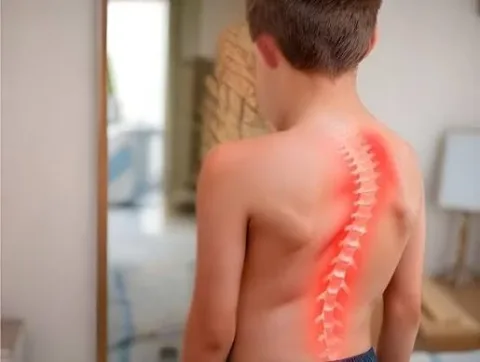
Children with cerebral palsy may develop muscle tightness, joint contractures and progressive bone and joint deformities during growth. Hip displacement or instability, knee flexion problems, toe walking, foot and ankle deformities, rotational abnormalities of the lower extremities and scoliosis are among the orthopedic problems associated with cerebral palsy. Regular orthopedic follow-up can help identify changes occurring as the child grows.
Gait problems and gait assessment in cerebral palsy
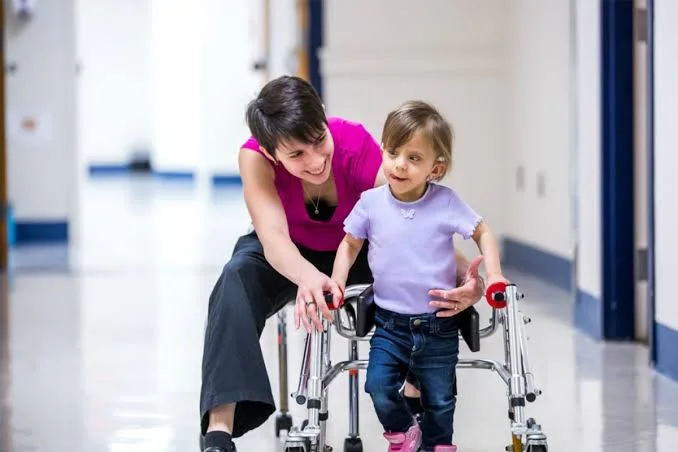
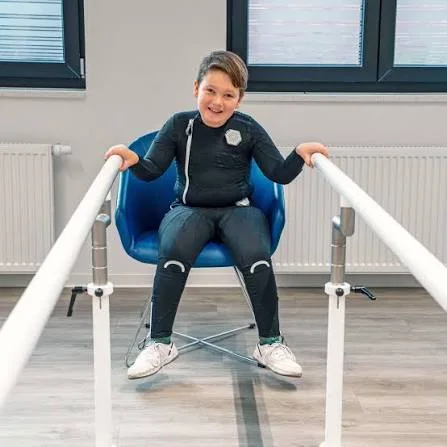
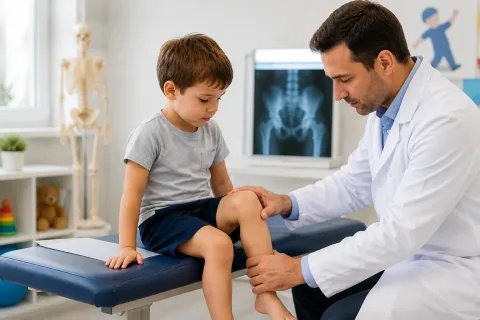
Gait abnormalities are common among ambulatory children with cerebral palsy. An orthopedic assessment may examine foot positioning, hip and knee movements, muscle strength, joint range of motion and balance. In selected patients, gait analysis and diagnostic imaging may provide additional information for treatment planning. The goal is to understand how the musculoskeletal abnormalities affect the child's overall mobility rather than evaluating a deformity in isolation.
Non-surgical orthopedic treatment for cerebral palsy
Not every child with cerebral palsy requires orthopedic surgery. Cerebral palsy treatment often involves a multidisciplinary approach that may include physiotherapy, rehabilitation, stretching programs, orthoses and functional exercises. Regular orthopedic examinations can monitor changes in muscles, joints and bones throughout growth. Treatment aims to support mobility, preserve joint movement and manage progressive musculoskeletal problems.
When is cerebral palsy orthopedic surgery considered?
Orthopedic surgery for cerebral palsy may be considered in selected children with fixed muscle contractures, progressive deformities, hip problems or significant functional limitations. Surgical options may include muscle and tendon procedures, corrective bone surgery and procedures involving the hip or other joints. The decision for cerebral palsy surgery should be based on the child's age, functional level, severity of deformity and expected growth.
Why is hip surveillance important in cerebral palsy?
Hip displacement can develop gradually in some children with cerebral palsy, particularly those with more limited mobility. Regular clinical examinations and appropriate radiographic monitoring can help evaluate hip development. Detecting progressive hip problems can allow treatment options to be considered at an appropriate stage.
Individualized orthopedic care for cerebral palsy
The musculoskeletal effects of cerebral palsy vary significantly from one child to another. Dr. Cengiz Çabukoğlu evaluates the child's walking function, muscles and joints, hip stability, knee alignment, foot deformities, spinal alignment and growth potential when considering orthopedic treatment for cerebral palsy. An individualized examination is required to determine whether non-surgical management, continued observation or orthopedic surgery may be appropriate.


 Çerez Tercihleri