



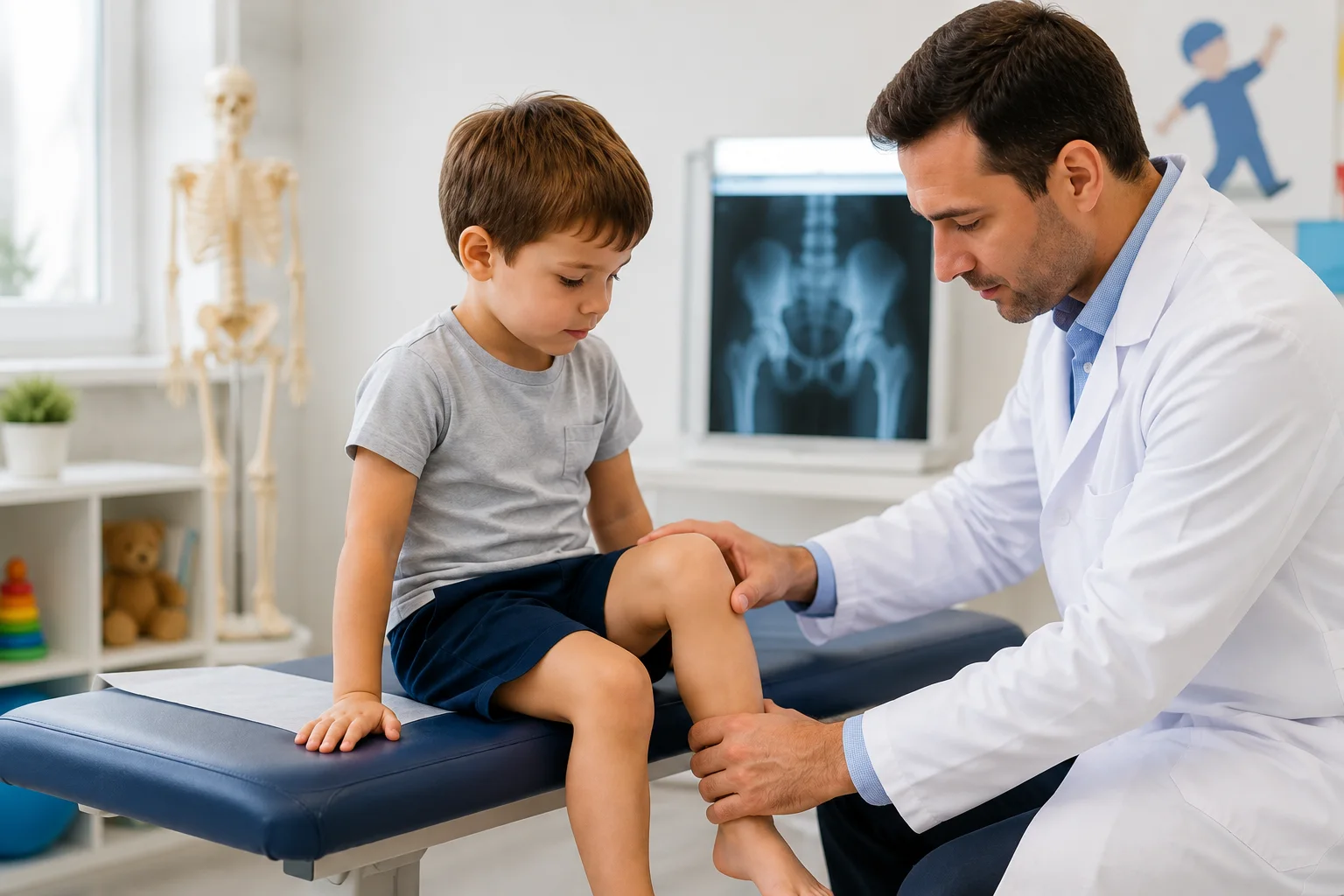
Pediatric orthopedics focuses on the diagnosis and treatment of bone, joint, muscle and musculoskeletal conditions affecting infants, children and adolescents. Cerebral palsy, developmental dysplasia of the hip, pediatric hip dislocation, limb deformities, tibial hemimelia, fibular hemimelia, proximal femoral focal deficiency (PFFD) and other congenital orthopedic abnormalities are among the conditions evaluated within pediatric orthopedics.
What is pediatric orthopedics?
Pediatric orthopedics is a specialized field of orthopedics dealing with congenital and developmental musculoskeletal disorders in children. Because children's bones and joints continue to grow, the evaluation and treatment of pediatric orthopedic conditions require a different approach from adult orthopedics. Age, growth potential, walking pattern, joint mobility and the possible progression of an orthopedic deformity are important factors when planning treatment.
Which conditions are treated in pediatric orthopedics?
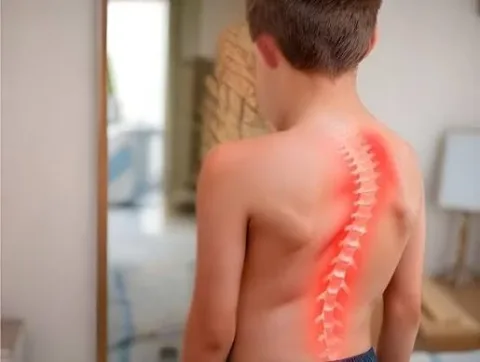
Pediatric orthopedic conditions include cerebral palsy, developmental dysplasia of the hip, pediatric hip dislocation, leg length discrepancy, foot deformities, scoliosis and congenital limb abnormalities. Rare congenital conditions such as tibial hemimelia, fibular hemimelia and proximal femoral focal deficiency (PFFD) also require detailed pediatric orthopedic evaluation and long-term follow-up.
Pediatric orthopedic treatment for cerebral palsy
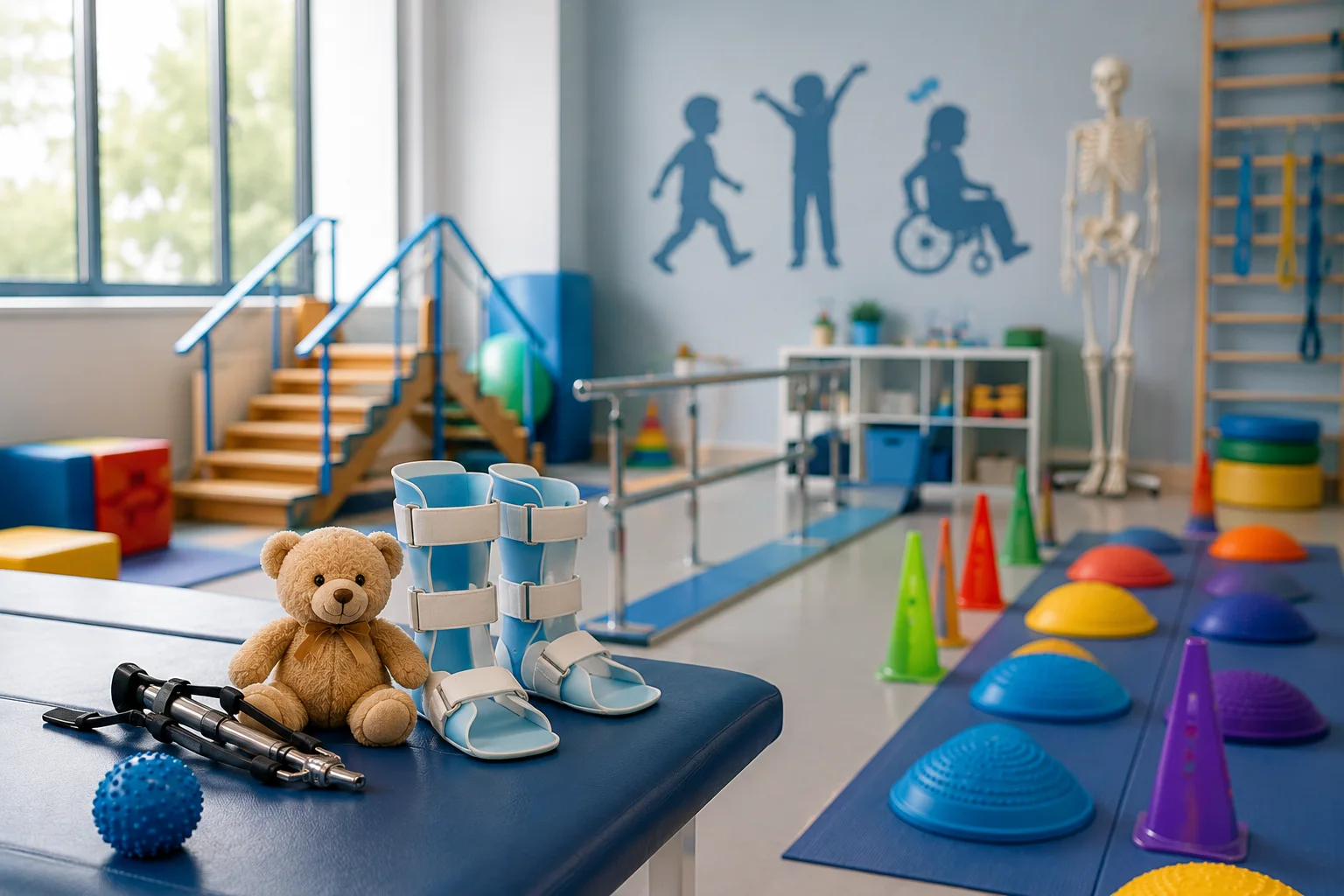
Children with cerebral palsy may develop muscle tightness, joint contractures and progressive orthopedic deformities. Pediatric orthopedic evaluation in cerebral palsy may include assessment of walking ability, hip stability, knee alignment, foot deformities and spinal alignment. Treatment may involve rehabilitation, physical therapy, orthotic support and, in selected cases, orthopedic surgery. The treatment plan should be individualized according to the child's functional needs and musculoskeletal development.
Hip dislocation and orthopedic deformities in children
Developmental dysplasia of the hip is one of the important conditions encountered in pediatric orthopedics. Early diagnosis of developmental hip problems can play an important role in treatment planning. Leg deformities, angular deformities and limb length discrepancies should also be evaluated according to the child's remaining growth potential. Regular pediatric orthopedic follow-up may therefore be necessary throughout childhood.
Tibial hemimelia, fibular hemimelia and PFFD
Tibial hemimelia and fibular hemimelia are rare congenital limb deficiencies affecting the development of the lower leg. Proximal femoral focal deficiency (PFFD) is a congenital condition affecting the development of the upper portion of the femur. Treatment of these complex pediatric orthopedic conditions depends on the severity of the deficiency, limb length discrepancy, hip and knee stability, foot structure and the child's expected growth.
Individualized pediatric orthopedic care
Every child has different orthopedic and developmental needs. Physical examination, imaging studies, gait assessment and growth potential are therefore considered together when developing a treatment strategy. Dr. Cengiz Çabukoğlu evaluates pediatric orthopedic conditions including cerebral palsy, hip dislocation, orthopedic deformities, tibial hemimelia, fibular hemimelia, PFFD and other congenital orthopedic abnormalities. A direct specialist examination is necessary to determine the appropriate treatment for each individual child.









 Çerez Tercihleri