




Orthopedic deformities in children may involve abnormal alignment or development of bones, joints and extremities. Leg deformities, angular abnormalities, foot and ankle deformities, limb length discrepancies and congenital limb differences are evaluated within pediatric orthopedics. Treatment is individualized according to the child's age, cause and severity of the deformity, remaining growth potential and functional needs.
What are orthopedic deformities in children?
Pediatric orthopedic deformities refer to differences in the normal alignment, shape or development of bones and joints. Some deformities are present at birth, while others may develop during childhood because of growth abnormalities, trauma, infection or other musculoskeletal conditions. Since children's bones continue to grow, the progression of a deformity can change significantly over time. Pediatric orthopedic assessment therefore considers both the current deformity and the child's future growth.
What types of leg deformities can occur in children?
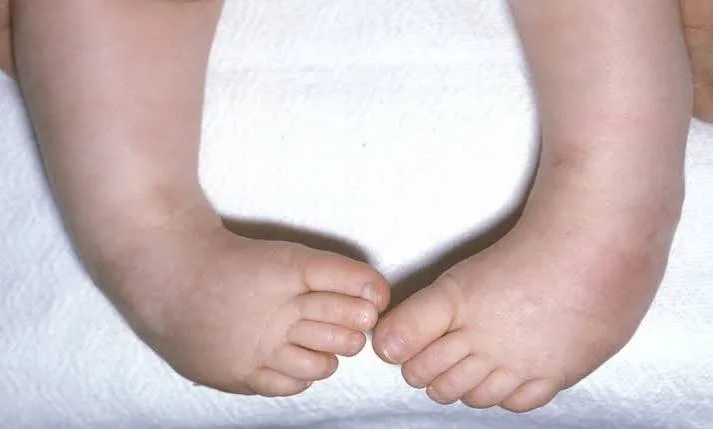
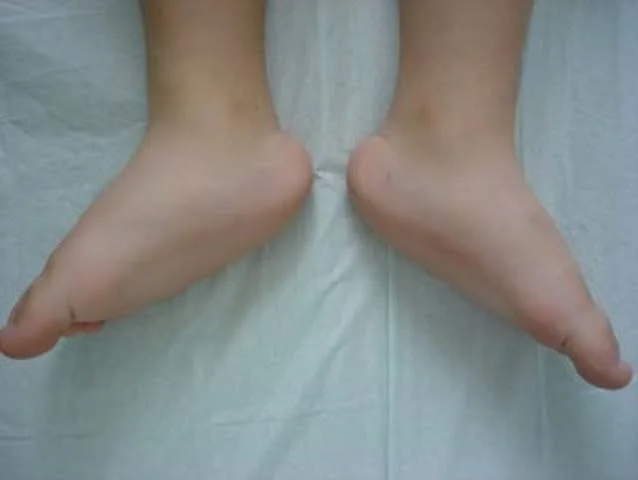
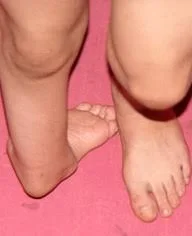
Leg deformities in children can involve the hips, knees, lower legs, ankles or feet. Angular deformities may cause the knees or legs to appear aligned inward or outward. Rotational abnormalities, foot deformities and differences in limb length may also occur. Some alignment differences are part of normal childhood development, while others require orthopedic monitoring or treatment.
What are congenital orthopedic deformities?
Congenital orthopedic deformities are musculoskeletal differences that are present from birth. These may range from relatively common foot deformities to rare congenital limb deficiencies. Conditions such as tibial hemimelia, fibular hemimelia and proximal femoral focal deficiency (PFFD) can affect limb development, joint stability and leg length. Detailed pediatric orthopedic evaluation is important when planning long-term management.
How are pediatric orthopedic deformities diagnosed?
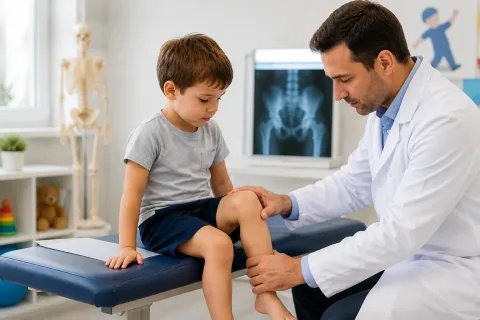
Diagnosis usually begins with a detailed physical examination. Limb alignment, joint mobility, leg length, foot position, muscle function and walking pattern can be assessed. X-rays and other imaging techniques may be used when necessary to measure bone alignment and evaluate the underlying anatomy. In growing children, repeated examinations may be needed to monitor changes over time.
How are orthopedic deformities treated in children?
Treatment depends on the cause and severity of the deformity. Mild developmental alignment differences may only require observation. In selected children, orthoses or growth-guided treatment methods may be considered. The objective of pediatric deformity treatment is not only cosmetic correction but also the optimization of joint alignment, mobility, walking function and long-term musculoskeletal health.
When is deformity correction surgery considered?
Surgery may be considered for progressive or significant orthopedic deformities. Depending on the child's condition, treatment options can include guided growth procedures, corrective osteotomy and complex limb reconstruction. When limb length discrepancy is also present, limb-lengthening or other reconstructive procedures may be considered. The timing of pediatric deformity correction surgery depends heavily on the child's age and remaining growth.
Individualized treatment for orthopedic deformities
Each pediatric orthopedic deformity has different anatomical and functional characteristics. Dr. Cengiz Çabukoğlu evaluates limb alignment, joint mobility, leg length, walking function and growth potential when considering treatment for orthopedic deformities in children. An individualized pediatric orthopedic assessment is required to determine the appropriate treatment strategy.


 Çerez Tercihleri