




Developmental dysplasia of the hip (DDH) is a pediatric orthopedic condition in which the hip joint does not develop normally. The condition can range from mild acetabular dysplasia to partial or complete hip dislocation. Early diagnosis of developmental hip dysplasia in babies and children can play an important role in treatment planning. Treatment may include observation, bracing or surgical procedures depending on the child's age and severity of the condition.
What is developmental dysplasia of the hip?
Developmental dysplasia of the hip, commonly abbreviated as DDH, refers to abnormal development of the hip joint in infants and children. Normally, the head of the femur fits securely within the acetabulum. In developmental hip dysplasia, the relationship between these structures may be abnormal. The severity can range from a shallow hip socket to instability, partial displacement or complete dislocation of the hip.
What are the symptoms of hip dysplasia in babies?
Hip dysplasia in babies may not always produce obvious symptoms. Differences in leg length, limited movement of one hip or asymmetry in hip movement can sometimes be noticed. Once the child begins walking, more significant developmental hip problems may be associated with limping or an abnormal walking pattern. Clinical examination by a pediatric orthopedic specialist is important when developmental dysplasia of the hip is suspected.
How is developmental hip dysplasia diagnosed?
The diagnostic approach depends partly on the child's age. Physical examination is an important component of early assessment. Hip ultrasound may be used during infancy when appropriate, while X-rays can become more useful as the child's bones develop. The appropriate imaging method should be selected according to the baby's age, examination findings and individual risk factors.
How is hip dysplasia treated in babies?
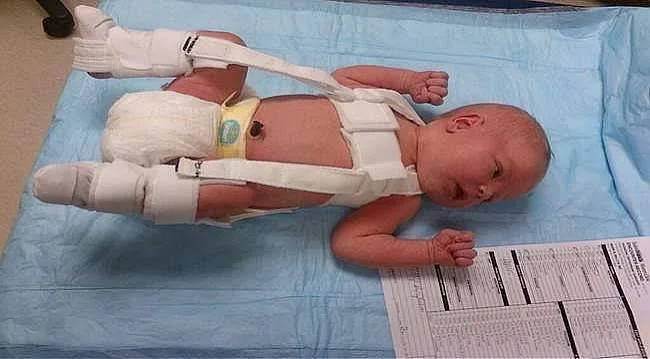
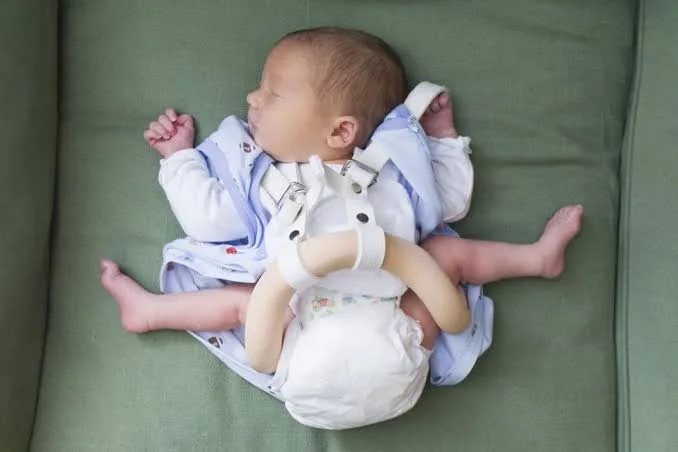
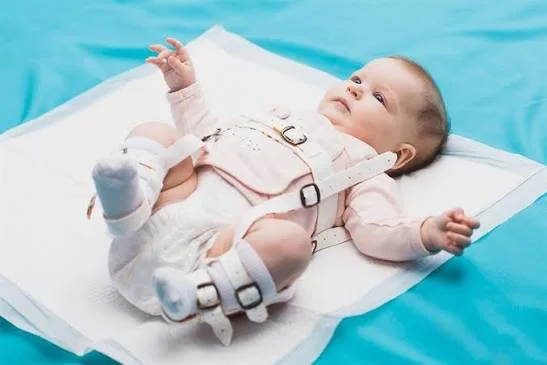
The objective of early developmental dysplasia of the hip treatment is to maintain an appropriate relationship between the femoral head and the hip socket to support normal hip development. In selected young infants, a brace such as a Pavlik harness may be considered. Treatment and monitoring should be individualized because the severity and characteristics of DDH vary between children.
When is surgery considered for developmental hip dysplasia?
Surgical treatment may be considered when the condition is diagnosed later, when non-surgical methods do not achieve an appropriate hip position or when significant structural abnormalities are present. Closed reduction, open reduction and corrective procedures involving the femur or pelvis may be considered depending on the individual case. The type of DDH surgery in children depends on age, severity and hip anatomy.
Why is early diagnosis of DDH important?
Early recognition of developmental dysplasia of the hip may allow appropriate treatment to begin during an important period of hip development. More severe untreated or late-diagnosed cases can be associated with walking abnormalities, differences in leg length, reduced hip mobility and joint problems later in life. Appropriate hip screening and follow-up are therefore important, particularly in infants with recognized risk factors.
Individualized treatment for developmental dysplasia of the hip
Each child with DDH requires an individualized assessment. Dr. Cengiz Çabukoğlu evaluates the child's age, clinical examination, ultrasound or X-ray findings and development of the hip joint when considering treatment options. A pediatric orthopedic examination is necessary to determine the appropriate management for developmental dysplasia of the hip and pediatric hip dislocation.




 Çerez Tercihleri