




It is a serious orthopedic disorder that manifests itself with symptoms such as developmental hip insufficiency or congenital hip dislocation, asymmetry in the leg nodes in infants, leg length shortness and movement restriction noticed while opening the bottom, and if it is not diagnosed early, it leads to permanent limping. This condition, which can be solved with completely non-surgical methods thanks to hip ultrasound scanning in the first four months of life, requires extensive bone correction surgeries such as open reduction and pelvic osteotomy when it is late. Prof. Dr. Cengiz Çabukoğlu allows children to grow up with healthy and balanced steps with his deep-rooted experience in the field of pediatric hip surgery, from routine screenings in infancy to advanced surgical operations.
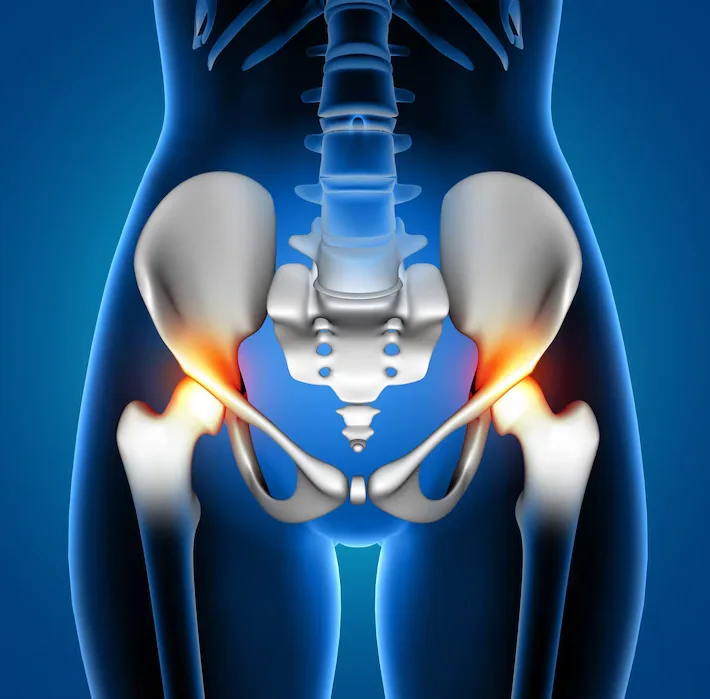
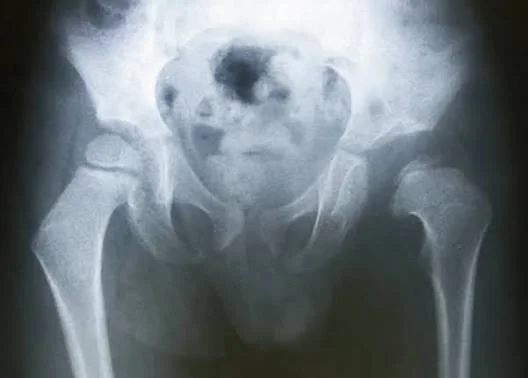
Congenital hip dislocation, medically known as developmental hip disability (DHD), is the inability to complete the normal development of the knob and nest structure that forms the hip joint in infancy and childhood. This disorder, which can lead to leg length inequality, permanent gait disorders and severe calcification at an early age when not intervened in the early period, is one of the most frequently undertaken critical tables by atric orthopedists. This condition, which can be seen in different stages such as full dislocation, semi-dislocation or looseness of the hip joint, the sooner it is noticed, the higher the treatment success. For this reason, the regular examination of infants, especially in the risk group, by a pediatric orthopedist, is vital to met freedom. Symptoms of hip dislocation in infants can often be too vague to be noticeable to the naked eye from the outside in the first months. However, there are some important tips that parents should pay attention to; the skin folds (nodes) on both legs of the baby are asymmetrical, that is, insecure and uneven, not opening correctly enough (especially the limitation noticed when changing the diaper) and one leg appearing shorter than the other are the most common complaints. In later ages, that is, when the child starts to walk, the walking style, which we call limping, limping or duck-like walking, clearly indicates the pathology in the hip joint. unfortunately, cases that are not noticed until the pruritus period pave the way for permanent deformities in the hip structure. The gold standard for early diagnosis of congenital hip dislocation is routine radiological scans performed in the first months of life. Hip ultrasound in infants (especially between the first 1 and 4 months), this delicate phase in which cartilage structures have not yet ossified






 Çerez Tercihleri